30 Inch Door: Compact, Practical, and Stylish for Modern Homes
Choosing the right door is critical for both function and style, and the 30 inch door is one of the most versatile sizes available. Slightly narrower than the standard 36-inch entry door, this size is ideal for side entrances, interior passageways, and areas with limited space. Despite its compact width, a 30 inch door offers functionality, aesthetic appeal, and durability when selected with quality materials.
Why Choose a 30 Inch Door?
- Space-Saving: Perfect for narrow entryways, small hallways, and compact homes.
- Affordable: Typically less expensive than wider doors.
- Versatile Applications: Can be used as main, side, or secondary doors.
- Energy-Efficient: Smaller size requires less material, easier to insulate.
- Design Flexibility: Available in various materials, finishes, and styles.
Common Applications of a 30 Inch Door
| Location | Benefits |
|---|---|
| Side or back entry doors | Compact and practical for smaller openings |
| Laundry or utility rooms | Allows ventilation while fitting tight spaces |
| Interior passageways | Maintains consistent flow without overwhelming the space |
| Apartments or condos | Works in smaller building layouts |
| Historic homes | Matches older, narrower door frames |
Materials for 30 Inch Doors
| Material | Advantages | Considerations |
|---|---|---|
| Wood | Traditional look, customizable finishes | Requires regular maintenance to avoid warping |
| Fiberglass | Low maintenance, durable, mimics woodgrain | Higher upfront cost |
| Steel | Strong, secure, cost-effective | Can dent, may rust if paint is chipped |
Style Options for a 30 Inch Door
Despite its smaller size, there’s no compromise on design. Popular styles include:
- Solid Panel Doors – Classic and simple, ideal for secondary entries.
- Half-Lite or Full-Lite Doors – Adds natural light for dark hallways or side entrances.
- Modern Flush Doors – Smooth, minimalistic finish for contemporary spaces.
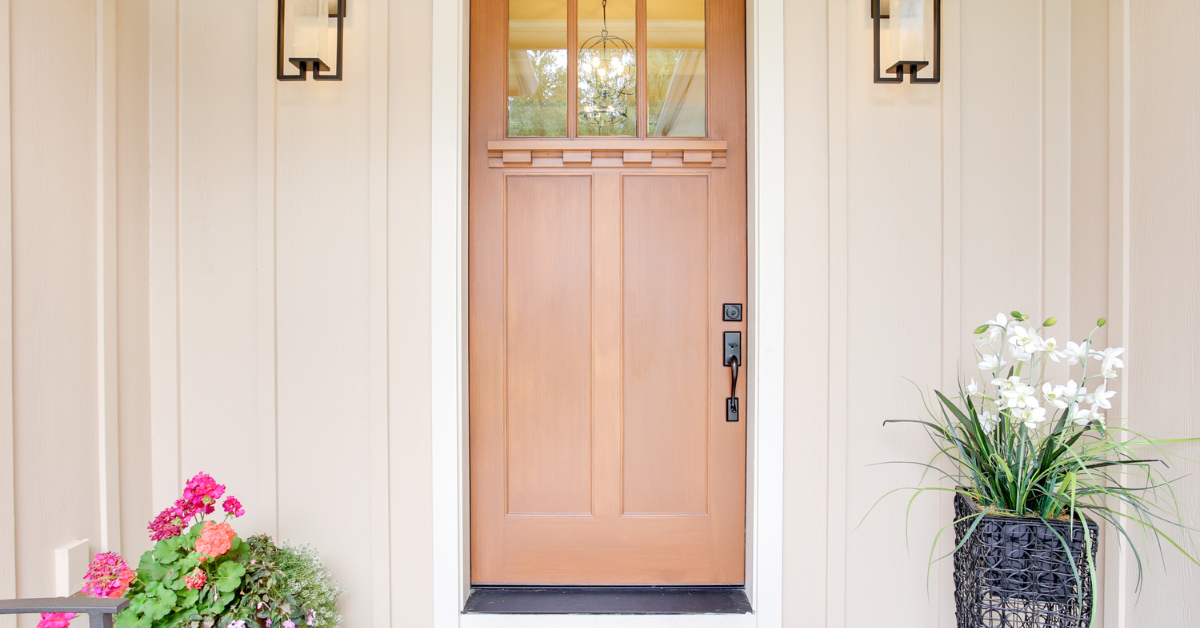
- Craftsman or Rustic Woodgrain – Adds warmth and charm.
- Decorative Glass Inserts – For added elegance and personalization.
Glass Options
| Glass Type | Benefits | Best For |
|---|---|---|
| Clear Glass | Maximum light flow | Bright interiors |
| Frosted/Obscured | Maintains privacy while allowing light | Urban homes or close neighbors |
| Textured or Patterned | Adds style and dimension | Entryways requiring aesthetics |
| Tempered or Laminated | Safety and durability | Families with children or pets |
Energy Efficiency
A 30 inch door can be highly energy-efficient if designed correctly. Features to consider:
- Foam Core Insulation – Found in fiberglass and steel models.
- Weatherstripping – Prevents air leaks and improves efficiency.
- Double or Triple Pane Glass – For doors with glass inserts.
- Proper Installation – Ensures minimal gaps and optimal thermal performance.
Installation Tips
- Measure Accurately: Confirm width, height, and depth of the existing frame.
- Pre-Hung vs Slab: Pre-hung doors include frame and hinges, making installation easier.
- Swing Direction: Choose left-hand or right-hand swing based on layout.
- Professional Installation Recommended: Especially for exterior doors to ensure weatherproofing and security.
Cost of a 30 Inch Door
| Material | Price Range (Without Installation) |
|---|---|
| Steel | $200 – $700 |
| Fiberglass | $500 – $2,000 |
| Wood | $800 – $3,000+ |
| Installation | $300 – $800 |
Additional features such as glass inserts, decorative panels, and smart locks will increase overall costs.
Advantages and Disadvantages
Advantages
- Compact and fits smaller openings.
- Lower cost compared to wider doors.
- Versatile for main, side, or interior entrances.
- Compatible with various materials and styles.
Disadvantages
- Narrower for moving large furniture or appliances.
- Limited glass and panel options compared to wider doors.
- May feel less grand for main entrances in large homes.
Front 30 Inch Door vs Standard 36 Inch Door
| Feature | 30 Inch Door | 36 Inch Door |
|---|---|---|
| Width | 30 inches | 36 inches |
| Ease of Moving Items | Moderate | Easier |
| Cost | Lower | Higher |
| Design Options | Limited glass & panel choices | Broader |
| Ideal Use | Side, secondary, compact spaces | Main entrances |
Frequently Asked Questions
Can a 30 inch door be used as a main entry?
Yes, especially in smaller homes, condos, or side entrances.
Are 30 inch doors energy efficient?
Yes, particularly fiberglass and insulated steel doors with proper weatherstripping.
Can I add sidelights to a 30 inch door?
It’s generally uncommon due to limited width, but custom configurations are possible.
Do 30 inch doors require special hinges?
Standard hinges usually work, but heavier doors (wood or fiberglass) may require reinforced hinges.
Real-Life Applications
- Urban Apartment: Fiberglass 30 inch door with half-lite glass for light and style.
- Historic Home Renovation: Solid wood 30 inch door matching older, narrow frames.
- Side Entrance in Suburban Home: Steel 30 inch door for security and affordability.
- Cabin or Cottage: Rustic woodgrain 30 inch door for charm and durability.
Final Thoughts
A 30 inch door is compact, practical, and versatile. Perfect for side entrances, interior passages, or homes with limited space, it balances affordability, functionality, and style. With options in steel, fiberglass, or wood, homeowners can choose a design that matches their aesthetic while delivering durability and efficiency.
For expert guidance and to explore a variety of models, check out the trusted 30 inch door collection.
👉 Upgrade your entryway today by exploring the full range of 30 inch door options designed for modern homes.