Best Security Cameras for Home: Advanced Buying Guide for Complete Protection
Understanding Modern Home Security Camera Systems from Setup to Smart Features
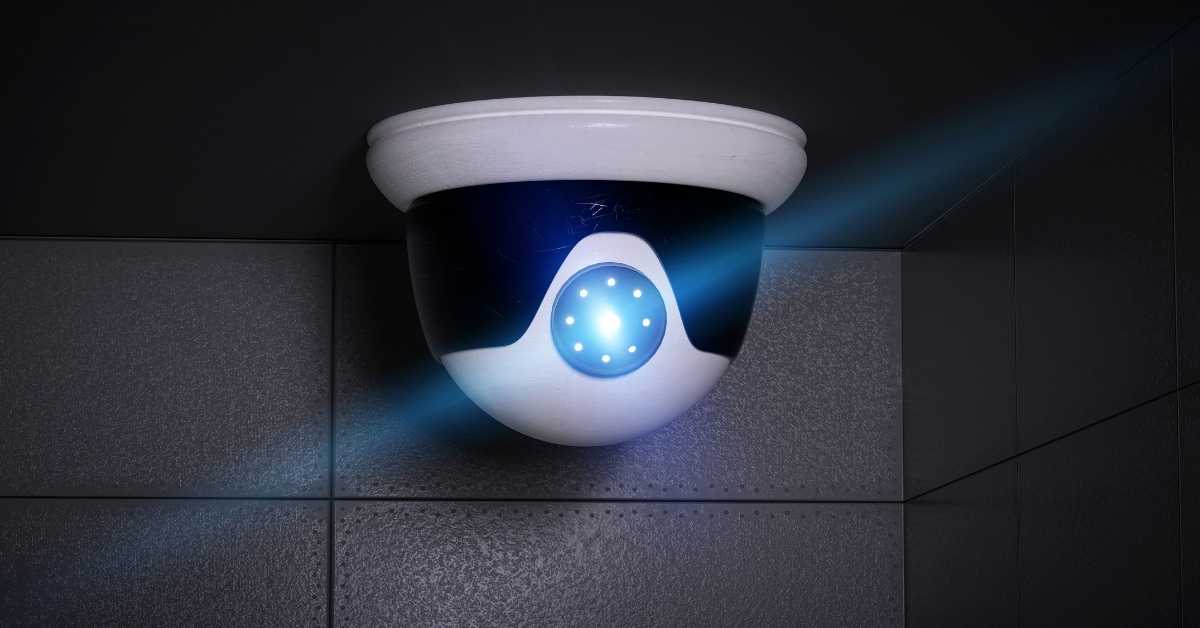
Choosing the Best Security Cameras for Home has become an essential step for anyone looking to improve safety, monitor property, and gain peace of mind in a fast-changing world. With technology evolving rapidly, security cameras are no longer limited to basic recording devices. They now offer intelligent monitoring, real-time alerts, and seamless integration with other smart home devices. A well-planned camera system provides both prevention and evidence, making it a powerful tool against potential threats. Understanding how these systems work helps homeowners make better decisions that align with their lifestyle, property size, and long-term security goals.
Why Security Cameras Are a Smart Investment
Security cameras are not just about recording footage; they actively contribute to preventing incidents before they happen. Visible cameras discourage unwanted activity, while hidden ones help capture accurate evidence when needed. With mobile connectivity, users can monitor their homes from anywhere, ensuring continuous awareness. This level of control is particularly valuable for individuals who travel frequently or have large properties. Investing in a reliable camera system enhances not only physical safety but also emotional comfort, allowing homeowners to focus on daily life without constant worry about security.
Types of Security Cameras Explained
Indoor Surveillance Cameras
Indoor cameras are designed for monitoring activities inside the home, offering features such as motion detection, live streaming, and two-way communication. These cameras are ideal for keeping an eye on children, elderly family members, or pets. Many models include artificial intelligence that can distinguish between human movement and other objects, reducing false alerts. Their compact design allows them to blend seamlessly into home interiors without drawing attention.
Outdoor Security Cameras
Outdoor cameras are built to withstand environmental conditions while providing clear and reliable footage. They are equipped with weather-resistant materials and advanced features like infrared night vision and wide-angle lenses. These cameras are typically installed at entry points such as doors, driveways, and gardens. Their presence alone can act as a deterrent, preventing unauthorized access and enhancing overall property security.
Wireless and Wired Systems
Wireless cameras offer flexibility and ease of installation, making them suitable for renters or those who prefer a simple setup. They connect through Wi-Fi and can be repositioned easily. Wired systems, on the other hand, provide stable connections and consistent performance. Although installation may be more complex, wired systems are less prone to interference and are often preferred for permanent setups.
Key Features to Evaluate Before Purchase
Selecting the right camera system involves understanding essential features that impact performance and usability. Video resolution is crucial for capturing clear images, while motion detection helps reduce unnecessary recordings. Night vision ensures visibility in low-light conditions, and storage options determine how footage is saved and accessed. Smart integration allows cameras to work with other devices, enhancing convenience. Evaluating these features carefully ensures that homeowners choose a system that meets their specific security needs.
Importance of High-Quality Video
High-quality video is one of the most important aspects of a security camera system. Cameras with higher resolution provide sharper images, making it easier to identify faces and objects. Many modern cameras offer full high definition or ultra-high definition recording. While higher resolution improves clarity, it also requires more storage space and internet bandwidth. Balancing these factors ensures optimal performance without compromising functionality or accessibility.
Night Vision and Low-Light Capabilities
Night vision is a critical feature for effective home surveillance, as many incidents occur after dark. Cameras equipped with infrared technology can capture clear footage even in complete darkness. Some advanced models also offer color night vision, providing more detailed visuals. Reliable night vision ensures continuous monitoring, regardless of lighting conditions, making it an essential component of any security system.
Storage Options and Data Protection
Cloud Storage Advantages
Cloud storage allows users to access recorded footage from anywhere, offering convenience and security. Data stored in the cloud remains safe even if the camera is damaged or stolen. Subscription plans usually provide different storage durations, giving users flexibility based on their needs.
Local Storage Benefits
Local storage involves saving footage on memory cards or external devices, eliminating the need for ongoing subscription fees. This option provides full control over data but may be vulnerable to physical damage or theft. Combining cloud and local storage can provide a balanced approach to data management and security.
Smart Features and Home Integration
Modern security cameras come with smart features that enhance functionality and ease of use. Integration with home automation systems allows cameras to work alongside smart locks, lights, and voice assistants. Automation enables cameras to trigger actions, such as turning on lights when motion is detected. These intelligent features make security systems more efficient and user-friendly, transforming them into comprehensive home management tools.
Installation and Placement Strategies
Proper installation is essential for maximizing the effectiveness of security cameras. Cameras should be placed at key entry points and areas with high activity. Positioning them at the right height and angle ensures better coverage and reduces blind spots. Wireless cameras are easier to install, while wired systems may require professional assistance. A well-planned installation enhances both performance and reliability.
Privacy and Ethical Considerations
While security cameras improve safety, they also raise important privacy concerns. Users must ensure that cameras are positioned responsibly and do not invade private spaces. Informing household members and visitors about surveillance promotes transparency. Securing devices with strong passwords and regular updates helps prevent unauthorized access. Responsible usage ensures that security measures remain ethical and respectful.
Budget vs Performance Balance
Choosing the right security camera system involves balancing cost with performance and features. Budget options may lack advanced capabilities, while premium models offer better reliability and functionality. Evaluating long-term value rather than initial cost helps in making informed decisions. Investing in a high-quality system reduces the need for frequent replacements and ensures consistent performance over time.
Maintenance and Long-Term Efficiency
Regular maintenance is essential to keep security cameras functioning effectively. Cleaning lenses, checking connections, and updating software help maintain performance. Monitoring system health allows users to identify and address issues early. Proper maintenance extends the lifespan of devices and ensures reliable surveillance for years.
Comparing Popular Brands
Different brands offer a wide range of security cameras with varying features and price points. Some focus on affordability, while others emphasize advanced technology and premium quality. Comparing brands based on specifications, customer reviews, and support services helps in selecting the right option. Understanding brand strengths ensures better satisfaction and long-term reliability.
Remote Monitoring Benefits
Remote monitoring allows users to access live camera feeds from anywhere, providing real-time awareness of their property. Mobile applications enable users to receive alerts, view recordings, and control settings. This feature is particularly useful for individuals who travel frequently or have busy schedules. Remote access ensures continuous protection and enhances convenience.
Motion Detection and Smart Alerts
Motion detection technology improves efficiency by recording only when activity is detected. Advanced systems can differentiate between human movement and other objects, reducing false alerts. Real-time notifications keep users informed of any unusual activity, enabling quick responses. This feature enhances the overall effectiveness of security cameras.
Weather Resistance and Durability
Outdoor cameras must withstand various environmental conditions, including rain, heat, and dust. Weather-resistant designs ensure consistent performance regardless of external factors. Durable materials and protective casings enhance longevity and reliability. Choosing cameras with high durability ratings ensures uninterrupted surveillance and reduced maintenance costs.
Two-Way Audio Functionality
Two-way audio allows users to communicate through their security cameras, adding an interactive element to surveillance. This feature is useful for greeting visitors, guiding delivery personnel, or deterring intruders. High-quality audio ensures clear communication, enhancing the overall functionality of the system.
Power Options for Security Cameras
Security cameras can be powered through batteries, wired connections, or solar energy. Battery-powered cameras offer flexibility and easy installation, while wired systems provide consistent power. Solar-powered options are environmentally friendly and reduce dependence on electricity. Selecting the right power source ensures reliable operation and aligns with user preferences.
Expanding and Upgrading Your System
A scalable security system allows users to add more cameras or features as their needs evolve. This flexibility ensures long-term usability and cost-effectiveness. Planning for future expansion helps in building a comprehensive security network without replacing existing equipment. Scalability is an important consideration for homeowners looking to enhance their security over time.
Avoiding Common Buying Mistakes
Many users make mistakes when selecting security cameras, such as focusing only on price or ignoring essential features. Poor placement and lack of maintenance can also reduce effectiveness. Avoiding these common errors ensures that users get the most out of their investment and maintain a reliable security system.
Legal Considerations for Surveillance
Understanding local laws and regulations is essential when installing security cameras. Rules regarding surveillance, especially audio recording, vary by region. Ensuring compliance prevents legal issues and promotes responsible usage. Awareness of legal aspects enhances confidence in using security systems effectively.
Using Multiple Cameras for Full Coverage
Installing multiple cameras provides comprehensive coverage and eliminates blind spots. Combining indoor and outdoor cameras creates a layered security approach. Strategic placement ensures that all critical areas are monitored effectively, enhancing overall protection.
Learning from User Reviews
User reviews offer valuable insights into the performance and reliability of security cameras. Analyzing feedback helps identify strengths and weaknesses of different models. Genuine reviews provide real-world perspectives, aiding in informed decision-making. Considering user experiences ensures better satisfaction.
Energy Efficiency and Sustainability
Energy-efficient cameras reduce power consumption while maintaining performance. Sustainable options, such as solar-powered devices, contribute to environmental conservation. Choosing energy-efficient systems lowers operational costs and supports eco-friendly practices, making them a smart long-term investment.
Troubleshooting Common Issues
Security cameras may encounter issues such as connectivity problems or reduced video quality. Troubleshooting involves checking internet connections, updating firmware, and adjusting settings. Understanding common problems and their solutions ensures uninterrupted performance and enhances user experience.
Future Trends in Home Security
Emerging technologies continue to shape the future of home security systems. Features like facial recognition, intelligent alerts, and cloud-based analytics are becoming increasingly common. These advancements improve accuracy and efficiency, offering smarter surveillance solutions for modern homes.
Finding the Best Security Cameras for Home
Selecting the Best Security Cameras for Home requires careful evaluation of features, budget, and individual needs. A well-chosen system provides reliable protection and long-term value. Understanding different aspects of security cameras helps homeowners make informed decisions that align with their security goals.
Trusted External Resources for Better Decisions
For more detailed comparisons and expert insights, exploring resources like the home camera buying guide can be highly beneficial. Access to reliable information ensures that users stay updated with the latest trends and technologies. Knowledge plays a crucial role in selecting an effective and dependable home security system.