Injection Molding Machine: The Heart of High-Precision Plastic Manufacturing
Modern manufacturing thrives on speed, consistency, and scalability—and the injection molding machine stands at the center of it all. As industries expand their reliance on plastic components, this machine has become a key driver of mass production, enabling companies to meet high-volume demands with precision and efficiency. From automotive parts to consumer goods, medical devices to packaging, injection molding plays an irreplaceable role in shaping the world we live in.
This in-depth guide explores how the injection molding machine works, its types, components, advantages, and real-world applications—along with insights into choosing the right supplier.
What Is an Injection Molding Machine?
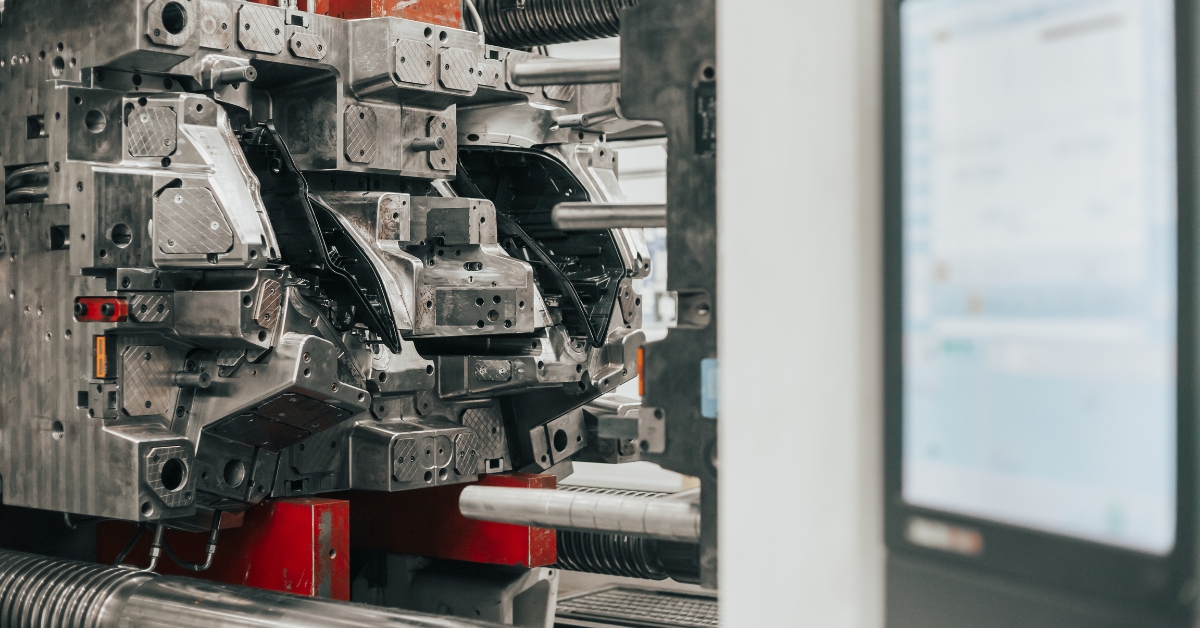
An injection molding machine is a mechanical device used to produce plastic parts by injecting molten polymer into a steel mold. Once cooled, the mold opens to release a solidified part that mirrors the mold cavity with exact precision. This process is both fast and repeatable, making it ideal for high-volume production of plastic items with tight tolerances and complex geometries.
Injection molding machines are integral to industries that require scale, reliability, and dimensional accuracy in plastic manufacturing.
How Injection Molding Works
The basic injection molding process follows a closed-loop cycle that includes the following key steps:
- Material Feeding: Plastic pellets or granules are fed into a hopper.
- Melting: The material enters a heated barrel, where it is melted by a reciprocating screw.
- Injection: The molten plastic is injected at high pressure into the mold cavity.
- Cooling: The plastic cools and solidifies into the desired shape.
- Ejection: The mold opens, and ejector pins push the finished part out.
- Repeat: The mold closes again, and the next cycle begins.
Cycle times can range from seconds to minutes, depending on the part size and material used.
Main Components of an Injection Molding Machine
Understanding the machine’s structure is crucial for efficient operation. A standard injection molding machine consists of:
| Component | Function |
|---|---|
| Hopper | Holds and feeds plastic granules into the system |
| Heating Barrel | Melts the plastic using electric heaters and a rotating screw |
| Reciprocating Screw | Mixes, compresses, and transports the molten plastic |
| Injection Unit | Forces molten plastic into the mold cavity |
| Mold | Defines the shape of the final product |
| Clamping Unit | Holds the mold tightly shut during injection and cooling |
| Ejection System | Removes the cooled product from the mold |
| Control Interface | Allows operators to program and monitor the machine’s performance |
Modern machines include digital displays, smart sensors, and touchscreen interfaces for real-time adjustments and diagnostics.
Types of Injection Molding Machines
Depending on the production requirement, manufacturers can choose from different machine configurations:
1. Hydraulic Injection Molding Machines
- Most common and cost-effective.
- High clamping force, ideal for large and thick parts.
- Slower and less energy-efficient compared to newer models.
2. Electric Injection Molding Machines
- Fully electric operation—quiet, clean, and precise.
- Energy-efficient with faster cycle times.
- Suitable for cleanroom environments and lightweight parts.
3. Hybrid Injection Molding Machines
- Combines hydraulic and electric components.
- Offers a balance of performance, efficiency, and cost.
- Widely used across industries for general-purpose production.
Each type has its pros and cons depending on the material, mold design, and production scale.
Materials Used in Injection Molding
Injection molding machines are compatible with a wide variety of thermoplastics and thermosetting polymers:
- ABS (Acrylonitrile Butadiene Styrene)
- PP (Polypropylene)
- HDPE/LDPE (High/Low-Density Polyethylene)
- PC (Polycarbonate)
- Nylon (PA)
- PVC
- PET
Additives like colorants, UV stabilizers, or glass fibers can be mixed to enhance product properties.
Advantages of Injection Molding Machines
The reason injection molding dominates plastic production lies in its unmatched benefits:
- High Productivity: Thousands of parts can be produced daily with minimal variation.
- Design Flexibility: Intricate shapes, complex geometries, and fine detailing are achievable.
- Repeatability: Each part is nearly identical to the next, ensuring consistency in assembly.
- Low Waste Generation: Scrap plastic can often be reground and reused.
- Labor Efficiency: Automated systems reduce human error and manual involvement.
- Material Efficiency: Precise control over raw material usage reduces excess costs.
These advantages make the injection molding machine a smart investment for both small and large manufacturers.
Applications Across Industries
The versatility of injection molding allows it to serve a wide array of sectors:
| Industry | Common Products Manufactured |
|---|---|
| Automotive | Bumpers, dashboards, gear knobs, under-hood parts |
| Medical | Syringes, vials, surgical components, diagnostic devices |
| Consumer Goods | Toys, containers, hangers, furniture parts |
| Electronics | Remote controls, switches, housings, cable insulators |
| Packaging | Bottle caps, food trays, cosmetic containers |
| Construction | Pipe fittings, clamps, fasteners, brackets |
From tiny precision parts to large furniture components, the injection molding machine adapts to every requirement.
Choosing the Right Injection Molding Machine
Selecting the correct equipment involves evaluating several key parameters:
- Clamping Force: Measured in tons; matches the mold size and part complexity.
- Shot Size: Volume of molten plastic injected in one cycle.
- Tie Bar Distance: Defines mold size and installation space.
- Cycle Time: Affects total production output per hour or day.
- Machine Type: Choose between hydraulic, electric, or hybrid depending on energy, space, and budget.
- Material Compatibility: Some machines are better suited for certain resins.
A clear understanding of product specifications and production goals helps avoid over- or under-investment.
Maintenance and Operational Efficiency
Regular maintenance ensures the machine continues to deliver high-quality parts:
- Clean the barrel and screw system regularly to prevent contamination.
- Monitor pressure and temperature sensors to maintain consistency.
- Lubricate moving parts in the clamping and ejection systems.
- Check mold alignment to prevent flash or part defects.
- Schedule preventive inspections to catch issues before they disrupt production.
Investing in well-trained technicians and operators also contributes to reduced downtime and better efficiency.
Emerging Technologies in Injection Molding
The injection molding industry continues to evolve with digital and sustainability trends. Some key innovations include:
- Industry 4.0 Integration: Machines now offer cloud-based analytics, performance monitoring, and remote diagnostics.
- Servo-Electric Drives: Reduce energy usage and noise, offering precise motion control.
- AI-Powered Optimization: Real-time detection of defects and parameter adjustments.
- Multi-Shot Injection: Enables overmolding of different materials or colors in one cycle.
- Biodegradable Plastics Support: Machines are being designed to handle eco-friendly polymers.
Manufacturers investing in these innovations stay competitive, efficient, and environmentally compliant.
Where to Buy High-Quality Injection Molding Machines
When making such a capital investment, working with a reputable manufacturer is essential. Daoben Machinery is a globally recognized supplier of injection molding machines, offering a comprehensive range of models tailored to different production needs.
Why choose Daoben Machinery?
- Proven reliability across international markets
- High-precision machines with customizable configurations
- Energy-efficient systems using modern servo drives
- Complete support—from design consultation to installation and after-sales service
- Machines suitable for various industries: packaging, medical, automotive, electronics, furniture, and more
For a deep dive into machine options, buyers can refer to Daoben’s injection molding machine guide for 2025, which provides updated specs, prices, and comparison models.
Real-World Case Use: Plastic Chair Manufacturing
One example of specialized injection molding application is plastic furniture. Daoben’s plastic chair making machine offers:
- High clamping force to accommodate large molds
- Fast injection speeds for efficient production
- Advanced temperature and pressure controls for thick, durable parts
- Cost-effective operation for bulk output
Whether you produce office chairs, school seating, or household furniture, this specialized machine delivers reliable, repeatable results.
Conclusion
The injection molding machine remains the gold standard in plastic part production—combining speed, precision, flexibility, and automation. As industries grow more demanding and consumers expect better quality at faster rates, this machine enables manufacturers to stay ahead. Whether launching a new production line or scaling an existing one, investing in reliable machinery from a trusted partner like Daoben Machinery ensures your operations are built for performance, durability, and long-term growth.