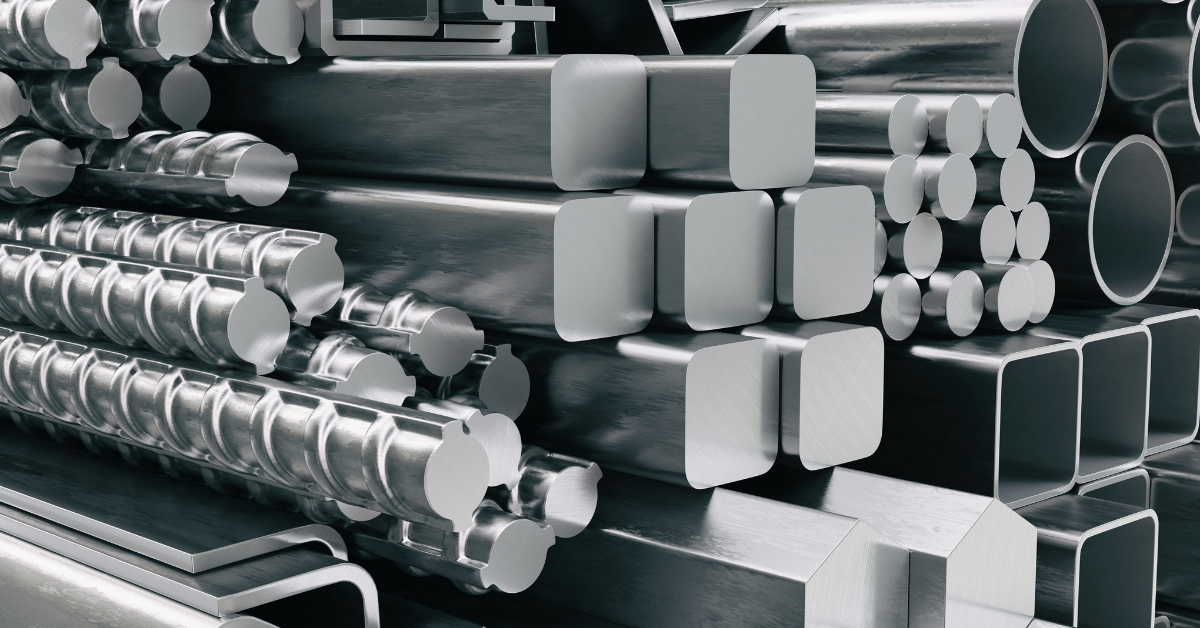
Intercooler Materials: Enhancing Performance and Reliability
For high-performance vehicles, turbocharged engines, or any forced-induction system, heat management is one of the most critical factors affecting efficiency and reliability. Intercooler materials play a central role in this process, determining how effectively heat is transferred away from compressed air before it enters the engine. Choosing the right materials for intercoolers not only improves performance but also ensures long-term durability under extreme operating conditions.
This article provides a comprehensive guide to intercooler materials, their types, benefits, applications, and best practices for selecting and maintaining high-quality components.
What Are Intercooler Materials?
An intercooler is a heat exchanger that cools the compressed air from a turbocharger or supercharger before it enters the engine. The materials used in constructing the intercooler—including the core, end tanks, and piping—directly impact its efficiency, weight, and durability.
High-quality intercooler materials must have:
- Excellent thermal conductivity for efficient heat transfer
- Corrosion resistance for long-term durability
- Strength to withstand high pressure and vibration

Selecting the right material ensures optimal cooling, maximum power output, and reliability under extreme conditions.
Common Intercooler Materials
Aluminum
Aluminum is the most widely used material for intercoolers. Its high thermal conductivity, lightweight nature, and resistance to corrosion make it ideal for performance applications.
- Benefits:
- Excellent heat transfer efficiency
- Lightweight for performance vehicles
- Corrosion resistant when treated or anodized
- Easy to fabricate into various shapes for custom designs
- Applications:
- Front-mount intercoolers (FMIC)
- Top-mount intercoolers (TMIC)
- Custom intercooler piping
Stainless Steel
Stainless steel is used for specific components such as piping, brackets, and fittings. It is more durable than aluminum and can handle higher pressure, though it is heavier.
- Benefits:
- High strength and durability
- Resistant to corrosion and oxidation
- Suitable for high-pressure applications
- Applications:
- Exhaust-adjacent piping
- Structural support for intercoolers
Silicone and Rubber Couplers
These materials are used for hoses connecting intercooler cores to piping. Quality silicone couplers withstand high temperatures and pressure, maintaining a leak-free system.
- Benefits:
- Flexibility to handle engine vibration
- Heat resistance up to 300°C in performance-grade silicone
- Reduced risk of cracking compared to rubber
- Applications:
- Intercooler-to-throttle body connections
- Turbo-to-intercooler piping
Benefits of High-Quality Intercooler Materials
- Enhanced Engine Performance
- Cooler intake air improves combustion efficiency.
- Results in higher horsepower and torque output.
- Durability
- High-quality materials resist corrosion, fatigue, and pressure failure.
- Ensures the intercooler lasts longer even under extreme conditions.
- Weight Reduction
- Aluminum cores reduce overall system weight without compromising strength.
- Reduced Turbo Lag
- Efficient heat transfer allows for consistent airflow, improving boost response.
- Reliability in Extreme Conditions
- Maintains structural integrity under high temperatures and vibration.
Applications of Intercooler Materials
Automotive Performance
- Turbocharged Engines: Ensures intake air remains cool for consistent power delivery.
- Supercharged Engines: Improves efficiency and prevents detonation.
- Motorsport Applications: Lightweight aluminum cores and durable couplers are standard in racing.
Industrial and Mechanical Systems
- Air Compressors: Heat exchangers use aluminum or stainless steel cores to reduce air temperature.
- Heavy Machinery: Turbocharged diesel engines rely on durable intercooler materials to prevent overheating.
Choosing the Right Intercooler Material
When selecting materials for intercoolers, consider:
- Thermal Conductivity: Aluminum is preferred for maximum cooling efficiency.
- Weight Constraints: Lighter materials improve overall vehicle performance.
- Durability Requirements: Stainless steel or reinforced aluminum for high-pressure applications.
- Fabrication Needs: Ease of welding or bending for custom setups.
- Budget: Aluminum cores offer the best performance-to-cost ratio, while stainless steel is more expensive but highly durable.
Maintenance Tips for Intercooler Systems
- Regular Cleaning: Keep the core free of debris and dirt for optimal airflow.
- Inspect Couplers: Check silicone or rubber connections for cracks or leaks.
- Pressure Testing: Ensure the system can handle peak boost pressure without leaks.
- Corrosion Protection: Apply anti-corrosion treatments if necessary, especially in stainless steel or aluminum systems exposed to harsh environments.
Intercooler Material Innovations
Modern advancements in intercooler technology include:
- Bar and Plate Aluminum Cores: Offers high efficiency and better airflow management.
- Tube and Fin Aluminum Cores: Lightweight design with enhanced thermal performance.
- Hybrid Materials: Combining aluminum cores with stainless steel end tanks for strength and performance.
These innovations ensure that high-performance vehicles achieve maximum efficiency while maintaining reliability.
Why Intercooler Materials Matter
Choosing the right intercooler materials affects:
- Engine power output
- Fuel efficiency
- Turbo or supercharger longevity
- Overall system reliability
Performance enthusiasts and professional fabricators understand that not all intercoolers are equal. Investing in quality materials ensures consistent results and long-term durability.
Conclusion
Intercooler materials are the foundation of any forced-induction cooling system. From aluminum cores and stainless steel piping to silicone couplers, selecting the right materials directly impacts performance, efficiency, and reliability.
Whether you are building a turbocharged street car, a high-performance race vehicle, or an industrial system, high-quality Intercooler Materials ensure that your system operates efficiently and lasts longer under extreme conditions.