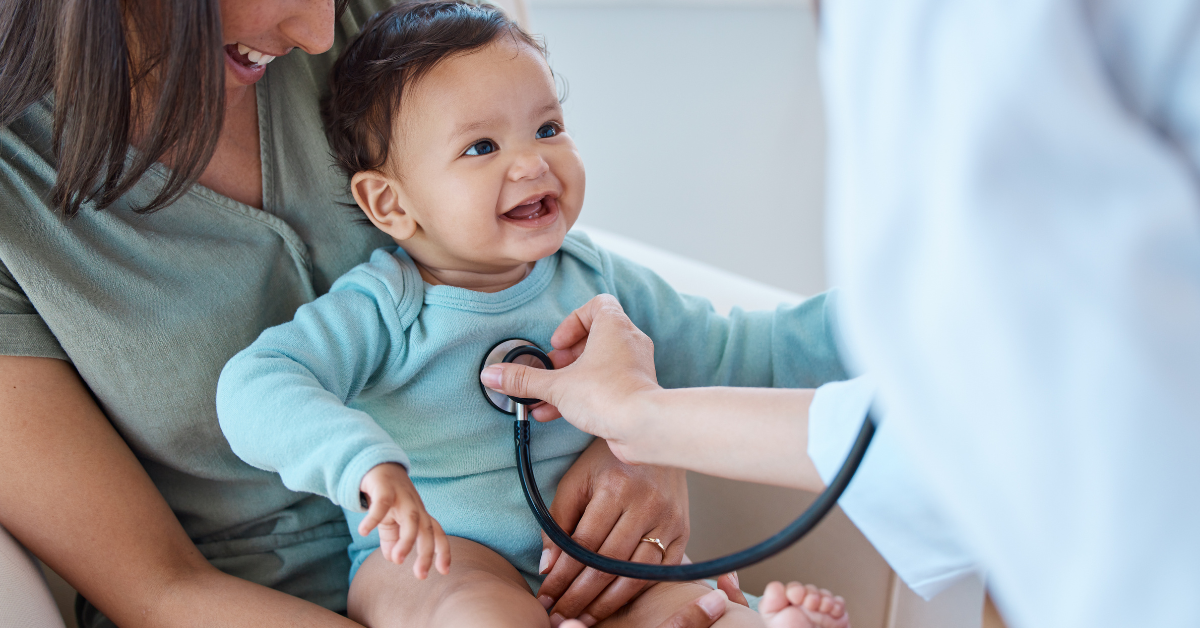
How to Prepare for Your Newborn’s First Doctor Visit
Welcoming a newborn is both exhilarating and overwhelming. Amid the excitement, parents often have questions about the very first visit to the pediatrician. Understanding how to prepare for your newborn’s first doctor visit can help reduce stress, ensure that the appointment is productive, and give parents confidence in caring for their new baby.
This comprehensive guide explores timing, preparation, what to expect during the visit, and tips for a smooth experience.
When to Schedule the First Visit
Most pediatricians recommend that newborns be seen within three to five days after leaving the hospital. Early visits are important for:
- Monitoring weight and feeding
- Checking for jaundice
- Assessing overall newborn health
- Providing guidance to new parents
Babies with special medical conditions, prematurity, or complications at birth may need an earlier visit. Always follow your pediatrician’s instructions regarding timing.
Why Preparation Matters
Being prepared ensures that the appointment goes smoothly and that parents get the most out of the visit. Preparation allows:
- Parents to track and communicate feeding patterns accurately
- The pediatrician to evaluate the newborn more efficiently
- Questions and concerns to be addressed before they become issues
What to Gather Before the Appointment
1. Medical Records
- Hospital discharge summary
- Birth information (weight, delivery method, any complications)
- Lab or test results, if applicable
2. Feeding Records
- Times and duration of breastfeeding or bottle feeding
- Any difficulties experienced, such as latching or reflux
- Formula type or supplement used, if applicable
3. Medications and Supplements
- A list of any medications or vitamins your newborn is taking
- Dosages and schedules for accurate discussion with the pediatrician
4. Questions and Concerns
- Write down questions before the appointment to ensure nothing is forgotten
- Common topics include feeding, sleep patterns, vaccinations, and growth
5. Practical Items to Bring
- Diapers, wipes, and a change of clothes
- Blanket or pacifier for comfort
- Insurance card and identification

Steps to Prepare Your Newborn
Feeding Before the Visit
Offer a feeding shortly before leaving home. A well-fed baby is generally calmer and more comfortable during the exam.
Dress the Baby Appropriately
Choose loose, easily removable clothing for quick access during the examination. Avoid complicated outfits with too many layers.
Comfort and Security
Bring a familiar blanket or pacifier. This can help soothe the baby if they become fussy during the appointment.
What to Expect During the Appointment
The first doctor visit is more than a routine checkup. Here’s a detailed breakdown of what typically occurs:
1. Growth Measurements
- Weight is measured and compared to birth weight
- Length and head circumference are recorded
- Pediatrician tracks progress against growth charts
2. Physical Examination
The doctor examines:
- Heart and lungs
- Abdomen and genitals
- Skin for rashes, jaundice, or birthmarks
- Umbilical cord healing
- Reflexes and muscle tone
3. Feeding and Sleep Discussion
Parents are asked about feeding frequency, sleep habits, and any challenges experienced at home.
4. Guidance and Education
The pediatrician provides guidance on:
- Bathing and skin care
- Safe sleep practices (back sleeping, crib safety)
- Car seat safety
- Expected immunization schedule
- Recognizing warning signs for illness
Common Questions Parents Can Ask
The first visit is an opportunity to address any concerns. Questions might include:
- Is my baby feeding enough?
- How many wet and dirty diapers are normal?
- How should I position my baby for safe sleep?
- When will my baby receive their first vaccines?
- How do I know if my baby is gaining weight appropriately?
Special Considerations for Preterm or High-Risk Babies
Newborns who were premature or had complications may need:
- More frequent weight checks
- Extra lab tests or screenings
- Referrals to specialists
- Additional guidance on feeding or sleep
These extra precautions help ensure a safe and healthy start for babies who need closer monitoring.
Follow-Up After the First Visit
Pediatricians usually schedule subsequent visits at:
- 2 weeks
- 1 month
- 2 months
- 4 months
- 6 months
Follow-up visits track growth, administer vaccines, and monitor developmental milestones. Preparing for these visits in advance ensures a smoother experience each time.
Red Flags Parents Should Monitor
Even after the first visit, parents should watch for:
- Fever above 100.4°F (38°C)
- Poor feeding or refusal to eat
- Fewer than six wet diapers per day after the first week
- Difficulty breathing
- Persistent vomiting
- Unusual lethargy or irritability
Immediate attention from a pediatrician is essential if any of these signs appear.
Tips for a Stress-Free Appointment
- Arrive early to allow time for check-in and paperwork
- Bring both parents if possible for support
- Keep a calm and soothing voice to help the newborn remain relaxed
- Don’t hesitate to ask questions or request clarification
Building a Long-Term Relationship
The first visit is the beginning of a long-term partnership between parents and the pediatrician. Trust and communication established early help ensure that the baby receives consistent, compassionate care through infancy and childhood.
Families looking for a smooth, reassuring experience can rely on guidance about how to prepare for your newborn’s first doctor visit to ensure every step of the appointment is handled with confidence.
Final Thoughts
Preparing properly for your newborn’s first doctor visit ensures that both baby and parents have a positive experience. It allows the pediatrician to assess the newborn efficiently and provides parents with the guidance and reassurance they need in those early days.
Understanding how to prepare for your newborn’s first doctor visit gives families the confidence to face this important milestone well-informed, calm, and ready to start a lifelong partnership with their child’s pediatrician.
A well-prepared first visit not only addresses immediate concerns but also lays the foundation for ongoing care, helping your baby grow healthy and strong.